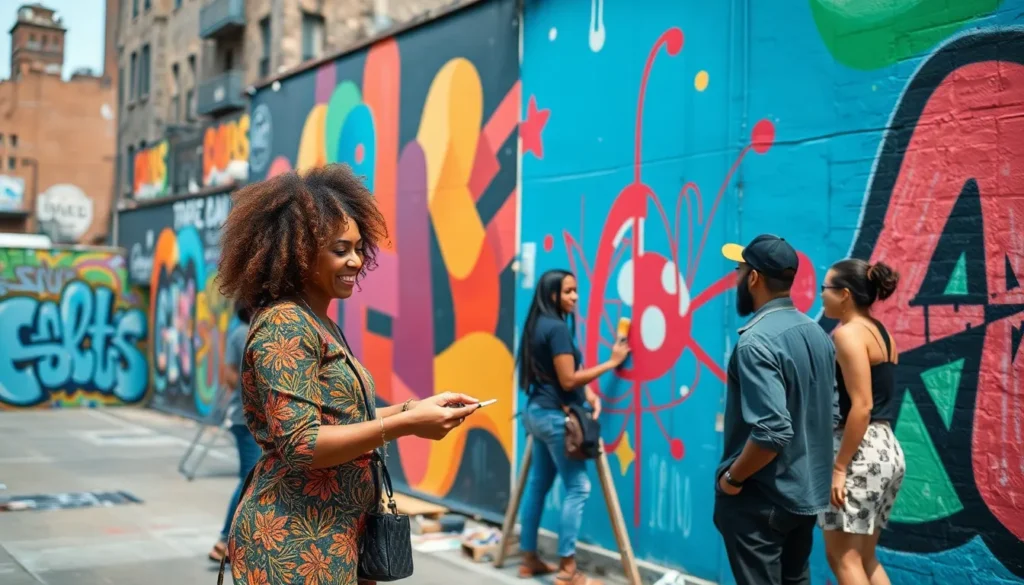
In a world where art often feels like a game of “What on Earth am I looking at?”, the 21st century has unleashed a wave of modern artists who challenge conventions and redefine creativity. From vibrant street murals to thought-provoking installations, these artists are not just painting on canvases; they’re painting the very fabric of our culture.
Overview of Famous Modern Artists 21st Century
Modern artists in the 21st century demonstrate unique styles and compelling narratives. Artists such as Banksy challenge societal norms through provocative street art. Yayoi Kusama captivates audiences with immersive installations featuring her signature polka dots. Keith Haring’s vibrant works convey social messages and rely on pop culture references.
Damien Hirst pushes the boundaries of contemporary art with controversial pieces like “The Physical Impossibility of Death in the Mind of Someone Living,” showcasing a preserved shark. Ai Weiwei’s activism and art intersect, addressing global issues such as human rights and freedom of expression. Their work exemplifies how art can transcend traditional definitions, provoking thought and engagement.
Japanese artist Takashi Murakami merges fine art with commercialism through his colorful, anime-inspired creations. Elements of pop culture appear consistently across his works, drawing attention to the interplay between art and consumerism. Jhumpa Lahiri’s storytelling resonates with art’s demographic relevance and emotional depth.
Emerging artists like Julie Mehretu blend abstraction and cartography, exploring themes of globalization and identity. Through large-scale paintings, she comments on migration and changing landscapes. In the realm of digital art, artists like Refik Anadol utilize artificial intelligence to create mesmerizing visual experiences, marking a significant shift in artistic practices.
21st-century artists not only redefine traditional forms but also push cultural conversations. Each artist’s work embodies a response to contemporary life, encouraging viewers to engage critically with societal themes. Their contributions shape the modern art landscape, demonstrating the evolving nature of creativity.
Key Characteristics of 21st Century Art
21st century art exhibits distinct traits shaped by emerging trends and influences. Artists increasingly create works that reflect contemporary themes and technologies.
Influence of Technology
Technology plays a critical role in 21st century art. Digital tools enable creators to experiment with new mediums, enhancing the creative process. Artists like Refik Anadol utilize artificial intelligence, producing immersive digital installations that challenge traditional art forms. Similarly, virtual reality offers audiences a chance to experience art in novel ways. Many creators also leverage social media platforms to gain visibility and interact with their audiences, broadening their reach. Collaborative projects often emerge in digital spaces, fostering artistic communities and encouraging innovative dialogue.
Globalization in Art
Globalization significantly impacts 21st century art. Artists now draw inspiration from diverse cultures, merging styles and techniques from around the world. Worldwide connectivity allows for rapid exchange of ideas, pushing the boundaries of artistic expression. Individuals like Ai Weiwei address pressing global issues in their work, incorporating social and political commentary. Collaborative art projects across borders reflect shared human experiences, fostering understanding. Increased visibility of non-Western artists enriches the art world, challenging Eurocentric narratives and creating a more inclusive landscape.
Notable Artists and Their Contributions
Numerous artists have emerged in the 21st century, each making significant contributions to the contemporary art scene. Their works redefine artistic boundaries and engage with pressing social issues.
Artist One: Banksy
Banksy stands as a pivotal figure in modern art known for his thought-provoking street art. This anonymous artist uses provocative imagery and satirical messages to challenge societal norms. Works like “Girl with Balloon” have become iconic, highlighting themes of hope and despair. Banksy’s unorthodox approach draws attention to political issues, often placing art in public spaces to reach wider audiences. His unique blend of humor and irony continues to influence a generation of artists. Through street art, he encourages conversations about commercialism and consumerism with impactful visual narratives.
Artist Two: Yayoi Kusama
Yayoi Kusama captivates audiences with her immersive art installations. Known for her signature polka dots, Kusama explores themes of infinity and self-obliteration. Her installations, such as “Infinity Mirror Rooms,” invite viewers into captivating spaces that challenge perceptions of reality. Kusama’s dedication to creativity reflects her personal struggles, transforming them into universal experiences. Engaging with her art provides an opportunity to reflect on mental health and identity. Each piece encourages authenticity and continuous dialogue about the human experience through vibrant and immersive surroundings.
Artist Three: Ai Weiwei
Ai Weiwei emerges as a leading voice in contemporary art and activism. His works often address global issues such as human rights, freedom of expression, and refugee crises. Projects like “Sunflower Seeds” combine traditional Chinese craftsmanship with contemporary commentary, creating meaningful dialogue around mass production and individuality. Weiwei’s engagement in political discourse profoundly influences public perception of art’s role in society. Through his multidimensional approach, he fosters critical conversations that resonate across cultures. Art becomes a platform for advocacy, urging audiences to confront uncomfortable truths and champion change.
Impact of Famous Modern Artists on Contemporary Culture
Famous modern artists significantly influence contemporary culture through their innovative approaches and themes. These artists highlight social, political, and identity issues within their work, prompting viewers to engage with critical conversations. Banksy’s street art serves as a prime example, as it challenges societal norms while addressing political issues through humor and irony.
Immersive installations by Yayoi Kusama invite audiences to explore themes of infinity and self-obliteration. These experiences encourage reflection on mental health and individual identity. Ai Weiwei stands out for using art as a medium for activism, addressing global concerns such as human rights and freedom of expression. His work fosters conversations that resonate across diverse cultural contexts.
Additionally, artists like Takashi Murakami blur the lines between fine art and commercialism, making art more accessible to the public. The vibrant works of Keith Haring convey social messages that remain relevant today, addressing issues like AIDS awareness and LGBTQ+ rights. Such contributions reflect a commitment to creating a dialogue around pressing societal themes.
Artistic experimentation using technology enhances the impact of modern artists on culture. Digital art and social media enable them to engage audiences in innovative ways and create collaborative projects. As a result, artists draw inspiration from various cultures, merging styles that challenge traditional Eurocentric narratives.
These dynamics illustrate how contemporary artists shape cultural discourse while enhancing the visibility of diverse perspectives. They contribute to a rich tapestry of artistic expression that continues to evolve and inspire future generations.
The 21st century has witnessed a remarkable transformation in the art world. Modern artists are not just creators; they’re cultural commentators challenging societal norms and encouraging dialogue on pressing issues. Their innovative approaches and use of technology are reshaping how art is perceived and experienced.
Through diverse mediums and styles, these artists foster connections that transcend borders and cultures. They invite audiences to reflect on identity, politics, and the human experience in ways that resonate deeply. As they continue to push boundaries, the impact of their work will undoubtedly inspire future generations and redefine the landscape of contemporary art.